From McGriff-Williams Insurance, an independent agency in Gainesville since 1983. Where confidence grows.
When someone is hurt by a crime at an apartment community, the lawsuit that follows usually claims the owner should have done more to prevent it. These “negligent security” claims are among the most severe liability claims Florida apartment owners face.
Florida’s 2023 tort reform law gave owners a way to strengthen their position: a legal presumption against liability for owners who substantially put a list of security measures in place (section 768.0706, Florida Statutes). Here’s what the law asks for, why your records matter as much as your cameras, and how your insurance fits in.
This is a general summary of Florida law, not legal advice. Your attorney can tell you whether your property meets the law.
Who the Law Applies To
The law covers “multifamily residential property,” meaning a residential building or group of buildings with at least five dwelling units on one parcel. It applies to criminal acts on the premises by people who aren’t the owner’s or operator’s employees or agents.
The Security Checklist
The presumption is available to an owner or principal operator that substantially implements the following measures:
Physical security measures:
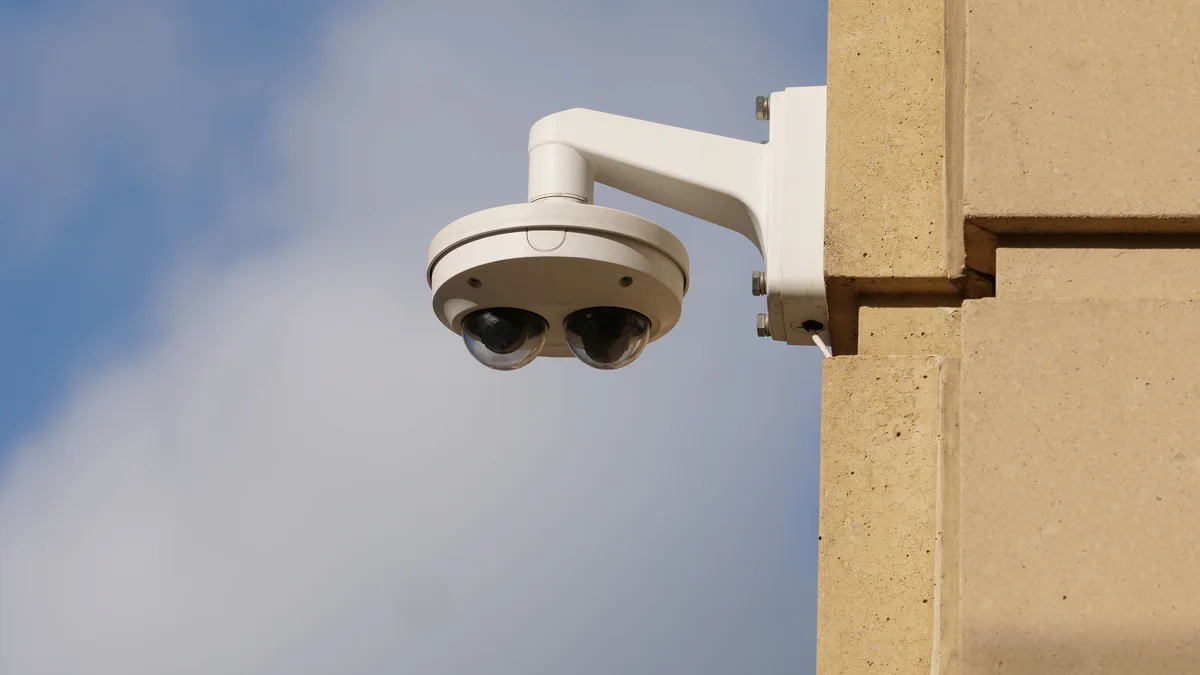
- Security cameras at points of entry and exit that record and keep footage retrievable for at least 30 days.
- A lighted parking lot averaging at least 1.8 foot-candles at 18 inches above the surface, from dusk to dawn (or controlled by a photocell or similar device).
- Lighting in walkways, laundry rooms, common areas and porches, from dusk to dawn.
- At least a 1-inch deadbolt on each unit’s door.
- A locking device on each window, each exterior sliding door and other doors not used for community purposes.
- Locked pool gates with key or fob access.
- A peephole or door viewer on each unit door that doesn’t have a window in it or next to it.
A crime prevention assessment: the property must have a crime prevention through environmental design (CPTED) assessment that is no more than three years old, done by a law enforcement agency or a Florida CPTED practitioner designated by the state’s Florida Crime Prevention Training Institute. The owner must stay in substantial compliance with that assessment, so the recommendations matter, not just the report. The law set January 1, 2025 as the date to have the assessment in place. Because it can’t be more than three years old, put the renewal date on your calendar.
Employee training: current employees were to receive “proper crime deterrence and safety training” by January 1, 2025, and each new employee must be trained within 60 days of their hire date. The training must familiarize employees with the security measures listed above, and it must be reviewed at least every three years and updated as needed. You can ask the law enforcement agency or practitioner who did your assessment to review your training curriculum. If training wasn’t completed on time, talk with your attorney.
A Presumption, Not Immunity
Three points are easy to miss:
- The burden is on you. The law says the owner or operator has to show the measures were substantially implemented. If you can’t prove it, the presumption doesn’t help.
- You can still be sued. A presumption isn’t immunity. It can be challenged with evidence, and it doesn’t stop anyone from filing a claim.
- “Substantially implements” isn’t defined in the statute, and the law doesn’t say how many of the measures are enough. Putting every measure in place and keeping proof gives you the most to show, but it doesn’t guarantee any result in a claim or lawsuit. Ask your attorney how the law applies to your property.
Two other 2023 changes also matter. When someone who was lawfully on the property sues the owner, operator or manager after being hurt by a third party’s crime, the jury must consider the fault of everyone who contributed to the injury, including the person who committed the crime (section 768.0701). And most negligence lawsuits in Florida now have to be filed within two years (section 95.11).
Keep the Paper Trail
If a claim comes, your records tell the story. A simple file for each community might include:
- The CPTED assessment, plus a log showing how and when you addressed each recommendation.
- Camera system records showing footage is kept at least 30 days, and notes on any outages and repairs.
- Lighting checks, including parking lot light readings, and repair work orders closed out with dates.
- Lock, deadbolt, peephole and pool gate inspections, especially at unit turnover.
- Training records with each employee’s hire date and training date, and the date the curriculum was last reviewed.
- How you responded to resident complaints and incident reports, including any added security steps.
These records can also help when you apply for insurance. Many insurance companies ask about security at the property, and good documentation can help underwriters understand your property’s security. It doesn’t guarantee any particular terms or price.
How Your Insurance Fits In
Even a well-protected property can face a claim. The policy details decide whether you have help paying for a defense and any settlement:
- Assault and battery: excluded or limited? Some apartment liability policies exclude assault and battery entirely, which can take negligent security claims with it. Others offer a lower sublimit. Ask whether defense costs come out of that sublimit, since they can use it up quickly. If your policy excludes it, ask us whether standalone assault and battery coverage is available for your property.
- Firearms and abuse exclusions. These can act like an assault and battery exclusion even when they’re labeled differently. Read them closely.
- Your umbrella. An umbrella usually doesn’t add back coverage the primary policy excludes, and some umbrellas add exclusions of their own. We read both together.
- Property managers and security vendors. If a management company runs the property, it should be named as an additional insured on your policy. If you hire a security company, your contract should spell out its insurance limits and additional insured status for you, and your attorney should review the indemnity wording. Ask for its certificate of insurance and a copy of the additional insured endorsement, and keep both on file. A certificate alone doesn’t make you an additional insured. Also ask whether the security company’s own policy excludes or limits assault and battery, since that could leave little coverage for the very claims you hired them to help prevent.
- Report incidents right away. Tell us and your insurance company about any incident on the property, even if no one has threatened to sue.
Our apartment insurance page goes deeper on the exclusions we check when we compare apartment liability quotes.
Help That Goes Beyond the Policy
Meeting the law is mostly about operations, and we can help with the pieces that touch insurance and contracts:
- Lease and contract reviews, including the insurance requirements in your security, landscaping and maintenance vendor contracts.
- Certificate guidance, so you know what to look for on vendors’ certificates of insurance.
- Safety and HR resources, including safety training, OSHA support and access to live HR professionals. These resources don’t take the place of the crime deterrence and safety training the law requires.
Let’s Review Your Liability Program
McGriff-Williams has helped Florida property owners since 1983. As an independent agency, we compare apartment liability options from multiple insurance companies, and we compare the forms, not just the price, so you know what each quote leaves out. Call us at (352) 371-7977 or get a second opinion.
General information, not legal or coverage advice. Coverage depends on the policy issued, its terms and underwriting. McGriff-Williams Insurance is an independent insurance agency licensed in Florida. Information current as of October 2026.